



Gaming & Smart Controllers Solutions for Smarter, More Responsive Consumer Electronics
Gaming & Smart Controllers are becoming essential in the consumer electronics market as users expect faster response, smarter interaction, and seamless connectivity across devices. FIXCHIPS supports brands with practical solutions covering low-latency design, wireless connectivity, haptic feedback, and OEM/ODM customization.
Why Gaming & Smart Controllers Matter
From console gaming and mobile entertainment to smart home control and immersive experiences, modern controllers are no longer simple input devices. They are intelligent, connected, and highly customizable hardware solutions designed to improve comfort, precision, and user engagement.
For consumer electronics brands, building reliable Gaming & Smart Controllers means combining ergonomic design, low-latency communication, advanced sensing, durable components, and flexible firmware. A well-designed controller can help products stand out in a competitive market while supporting long-term customer loyalty.
- Rapid growth of mobile gaming, cloud gaming, and handheld consoles
- Increasing popularity of smart TVs, streaming devices, and home entertainment systems
- Wider use of Bluetooth, 2.4G wireless, USB-C, and multi-mode connectivity
- Rising expectations for haptic feedback, motion sensing, and customizable buttons
- Expansion of smart home ecosystems that require intuitive remote control solutions
Key Applications of Gaming & Smart Controllers
Gaming & Smart Controllers can be used across many consumer electronics categories. Each application has different requirements. A competitive gaming controller needs ultra-low latency and precise button response, while a smart home controller may prioritize battery life, stable wireless connection, and simple user interaction.
- Game consoles and handheld gaming devices
- Mobile gaming controllers for smartphones and tablets
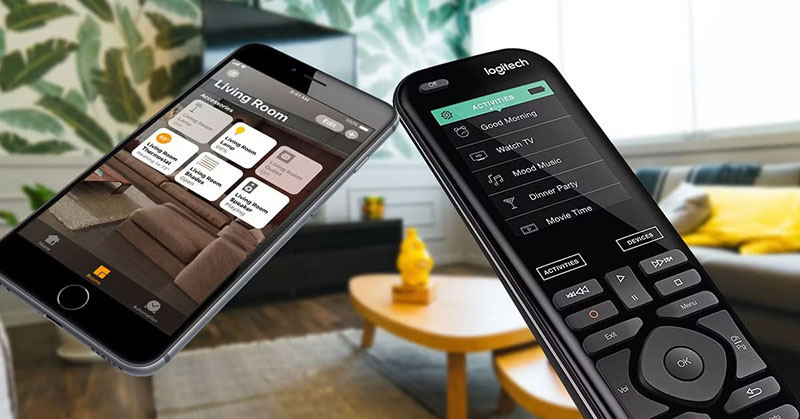
- Smart TV and streaming media remotes
- VR and AR interaction controllers
- Smart home control panels and wireless remotes
- Educational toys and interactive learning devices
- Fitness gaming and motion-based entertainment products
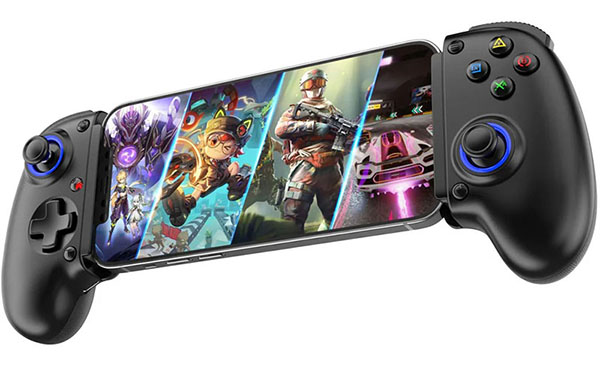
Feature Comparison Table
The table below compares common controller types and their typical design focus in consumer electronics products.
| Feature | Gaming Controller | Smart Controller | Hybrid Controller |
|---|---|---|---|
| Main Use | Console, PC, mobile, cloud gaming | Smart TV, smart home, media control | Gaming, media, and smart device control |
| Key Priority | Low latency and precision | Convenience and compatibility | Balanced performance and flexibility |
| Connectivity | Bluetooth, 2.4G, USB-C | Bluetooth, IR, Wi-Fi, RF | Bluetooth, 2.4G, USB-C, IR |
| Common Functions | Joysticks, triggers, vibration, macro keys | Voice control, navigation, shortcut keys | Game input, media keys, smart commands |
| User Experience | Immersive and responsive | Simple and intuitive | Multi-purpose and customizable |
| Ideal Products | Gamepads, mobile controllers, VR controllers | Smart remotes, home control devices | Cross-platform consumer electronics |
Core Design Requirements
To create competitive Gaming & Smart Controllers, manufacturers should focus on both hardware and software performance.
- Low latency: Fast signal transmission is critical for gaming and real-time interaction.
- Stable connectivity: Controllers should support reliable pairing and strong anti-interference performance.
- Ergonomic structure: Comfortable grip, balanced weight, and intuitive button layout improve long-term use.
- Durable components: Buttons, triggers, joysticks, and connectors must withstand frequent operation.
- Power efficiency: Long battery life is important for wireless controllers and smart remotes.
- Firmware flexibility: Custom functions, OTA updates, and multi-platform support add product value.
- Compliance and safety: Products should meet wireless, battery, and consumer electronics standards.
Technologies Used in Gaming & Smart Controllers
- Bluetooth and 2.4G wireless modules for flexible device connection
- Hall effect joysticks and triggers for improved precision and longer lifespan
- Haptic feedback motors for immersive gaming experiences
- Six-axis motion sensors for gesture and movement control
- USB-C interfaces for charging, wired control, and fast data transmission
- Low-power MCU solutions for efficient processing and longer battery life
- Voice input and AI interaction for smart home and media control
Benefits for Consumer Electronics Brands
A strong Gaming & Smart Controllers solution can bring clear advantages to product developers and brand owners.
- Faster product development with proven hardware and firmware design
- Better user experience through optimized button layout and response speed
- Wider market coverage with multi-device compatibility
- Higher product differentiation through custom functions and industrial design
- Improved reliability with tested components and stable wireless performance
- Scalable solutions for entry-level, mid-range, and premium product lines
For OEM and ODM projects, customization is especially important. Brands may need unique shell design, logo printing, button configuration, firmware functions, packaging, or certification support.
How to Choose the Right Controller Solution
- Define the target device, such as console, smartphone, smart TV, or smart home hub.
- Confirm the required connection methods, including Bluetooth, 2.4G, USB-C, IR, or Wi-Fi.
- Choose the right control features, such as joystick, touchpad, voice key, motion sensor, or programmable buttons.
- Consider battery capacity, charging method, and standby power consumption.
- Review mechanical reliability, button lifespan, and drop-test requirements.
- Plan firmware customization, app support, and future software updates.
- Check certification needs for different markets, such as FCC, CE, RoHS, or Bluetooth certification.
Gaming & Smart Controllers are shaping the next generation of consumer electronics interaction. With the right solution, brands can create responsive, comfortable, intelligent, and multi-platform controller products that improve user experience and support product differentiation across gaming, media, and smart home markets.


