



Automotive Electronic for Smarter, Safer, and More Reliable Vehicles
As vehicles become more intelligent, connected, and electrified, the demand for reliable Automotive Electronic components continues to grow. FIXCHIPS supports manufacturers, repair specialists, system integrators, and supply chain teams with practical sourcing solutions for demanding automotive applications.
Why Automotive Electronic Components Matter
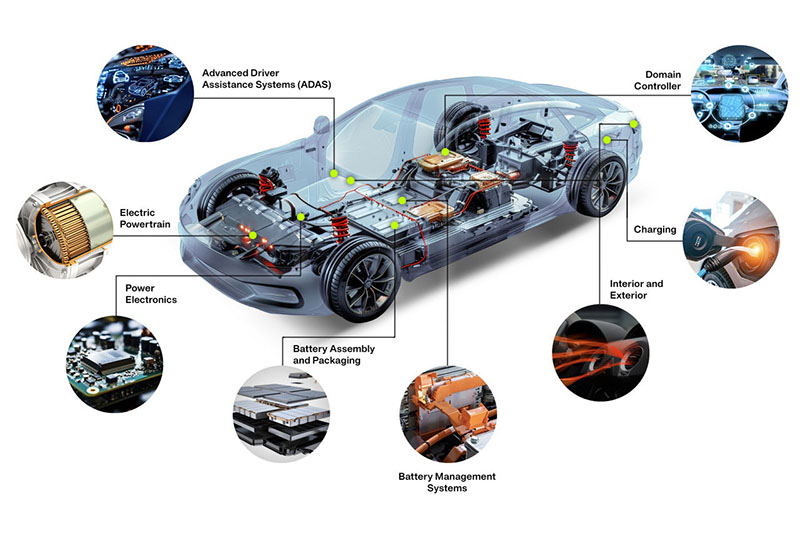
Modern vehicles depend on electronics for safety, comfort, power control, communication, and user experience. Automotive electronics are no longer limited to basic engine control or simple lighting. They now support advanced driver assistance, electric powertrains, smart cockpits, battery management, vehicle networking, thermal control, and software-driven functions.
Because vehicles operate in tough environments, every component must be selected with care. Heat, vibration, moisture, voltage fluctuation, electromagnetic noise, and long service cycles can all affect performance. A dependable Automotive Electronic sourcing strategy helps reduce failure risk, improve product stability, and support long-term maintenance.
- Engine control units and transmission control
- Battery management and charging systems
- ADAS sensing and signal processing
- Smart cockpit displays and infotainment
- Body control, lighting, and comfort systems
- Connectivity, gateways, and vehicle networks
FIXCHIPS Automotive Electronic Solutions
FIXCHIPS provides sourcing support for a wide range of Automotive Electronic components, including ICs, sensors, power devices, memory chips, passive components, connectors, protection devices, and control modules. Our goal is to help customers find suitable parts quickly while reducing the uncertainty that often comes with automotive component procurement.
We serve customers working on new product development, production support, aftermarket repair, maintenance programs, and hard-to-find component replacement. Whether your project involves electric vehicles, traditional vehicles, commercial platforms, or intelligent mobility systems, FIXCHIPS can help you identify and source components that match your requirements.
Our focus is simple: reliable components, practical matching support, responsive communication, and efficient delivery for automotive electronic projects.
Core Automotive Electronic Applications
1. Advanced Driver Assistance Systems
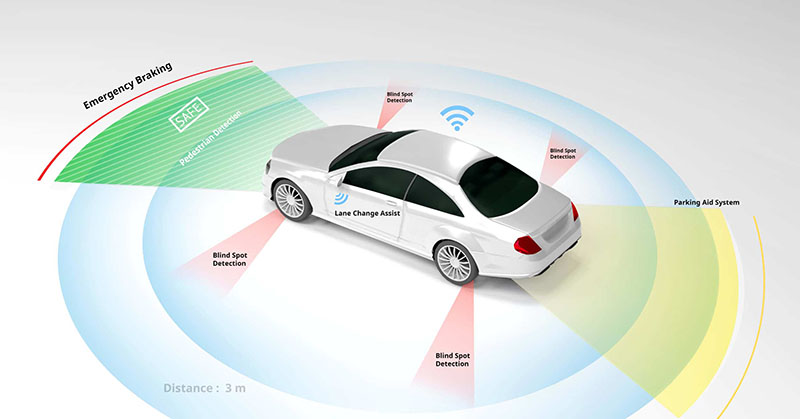
ADAS functions rely on a combination of cameras, radar, ultrasonic sensors, lidar, processors, power management ICs, and high-speed communication devices. These systems must process data quickly and consistently because they are closely related to driving safety.
- Image sensors and radar chips
- Microcontrollers and signal processors
- Automotive memory and storage devices
- Power management ICs and protection devices
- Automotive-grade connectors and interfaces
2. Electric Vehicle Power Systems
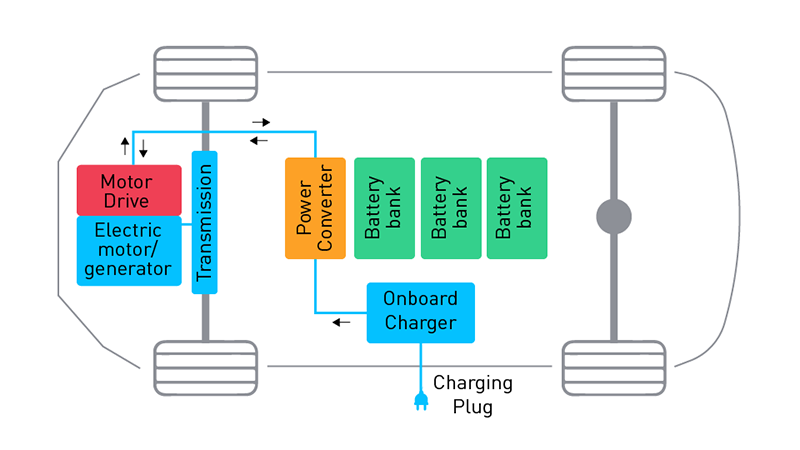
Electric vehicles require efficient power conversion, accurate battery monitoring, and strong thermal performance. Components used in EV systems must handle high voltage, high current, and continuous operation while maintaining stability.
- Battery management system components
- On-board charger components
- DC-DC converter components
- Inverter and motor control devices
- MOSFETs, IGBTs, SiC devices, capacitors, and sensors
3. Smart Cockpit and Infotainment
Smart cockpit systems create the digital experience inside the vehicle. They connect displays, audio, navigation, voice control, wireless communication, and human-machine interaction. Stable electronics help the cockpit remain responsive, clear, and easy to upgrade.
- Display driver ICs and touch controllers
- Audio amplifiers and interface ICs
- Memory chips and system-on-chip processors
- USB, Bluetooth, Wi-Fi, and communication modules
4. Body Control and Comfort Systems
Body control modules manage many daily-use vehicle functions, such as windows, mirrors, doors, seats, wipers, lighting, and climate-related controls. These systems may seem simple, but users expect them to work every time.
Automotive Electronic Component Comparison
The following table compares common Automotive Electronic component categories and their typical role in vehicle systems.
| Component Category | Main Function | Common Applications | Key Requirements |
|---|---|---|---|
| Microcontrollers | Control logic, data processing, and system coordination | ECU, BMS, body control, lighting, motor control | Automotive grade, low power, stable operation |
| Power Semiconductors | Switching, conversion, and power delivery | EV inverter, charger, DC-DC converter, power module | High efficiency, heat resistance, current handling |
| Sensors | Detect vehicle, battery, motion, and environmental data | ADAS, engine systems, safety systems, thermal control | Accuracy, fast response, long-term durability |
| Memory ICs | Store software, calibration data, and operating records | Infotainment, ECU, navigation, gateway modules | Data retention, speed, temperature tolerance |
| Communication ICs | Enable data transfer between vehicle modules | CAN, LIN, Ethernet, gateway, V2X systems | Low latency, compatibility, signal integrity |
| Connectors and Passives | Support electrical connection and circuit stability | Wiring harness, modules, sensors, power supply circuits | Vibration resistance, long life, secure contact |
How to Select Automotive Electronic Components
Selecting the right component is essential for vehicle reliability. A wrong specification can lead to overheating, unstable communication, poor signal quality, shortened service life, or unexpected system failure.
- Confirm automotive-grade qualification. Check whether the component meets the required automotive temperature, reliability, and quality expectations.
- Review electrical compatibility. Voltage, current, package size, interface type, and signal range must match the design.
- Evaluate thermal performance. Automotive systems often operate near engines, batteries, power modules, or outdoor temperature changes.
- Consider lifecycle and availability. Stable supply is important for production planning, repair service, and long-term support.
- Check protection needs. Some designs require protection against overvoltage, short circuit, reverse polarity, and electrostatic discharge.
- Work with a reliable supplier. A dependable sourcing partner helps reduce risks related to counterfeit parts, delays, and incorrect specifications.
Automotive Electronic Industry Trends
The automotive industry is moving toward intelligent, electric, connected, and software-defined vehicles. As a result, the value of electronics inside each vehicle continues to increase. More sensors, more computing power, more power conversion devices, and more high-speed communication components are being used in both mainstream and premium vehicle platforms.
- Software-defined vehicles and OTA updates
- Centralized E/E architecture
- Domain controllers and zonal controllers
- Higher ADAS computing requirements
- 800V electric vehicle platforms
- Vehicle-to-everything communication
- Smart cockpit integration
- Growing demand for automotive-grade chips
FIXCHIPS Service Process
FIXCHIPS keeps Automotive Electronic sourcing clear and efficient. Our process is designed for buyers who need accurate information, practical support, and timely communication.
- Share your part number, specification, quantity, or application requirement.
- FIXCHIPS checks availability, matching options, and sourcing feasibility.
- We provide quotation, lead time, and delivery information.
- Components are prepared and shipped according to your order needs.
- Our team remains available for follow-up support and repeat sourcing.
The future of mobility depends on dependable Automotive Electronic technology. From sensing and power control to communication, safety, and comfort, every component plays a role in vehicle performance.


