



Precision Component Solutions for Medical Equipment
Modern medical equipment depends on stable, accurate, and long-lifecycle electronic components. From patient monitors and diagnostic instruments to infusion pumps, imaging systems, and wearable medical devices, the right IC selection directly affects signal accuracy, power stability, data processing, and system reliability.
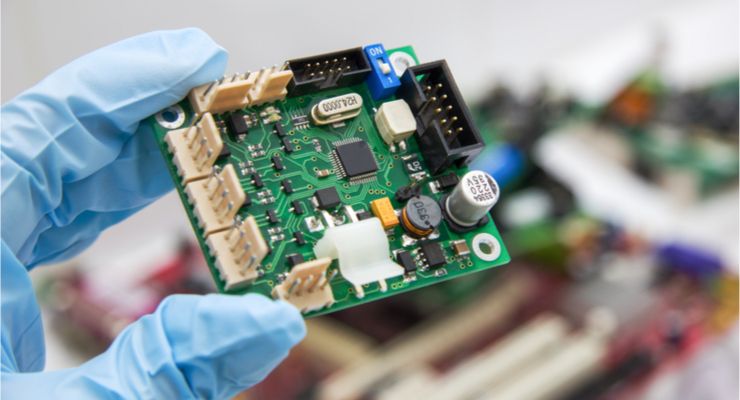
Electronic Components Built Around Medical Equipment Needs
Medical electronics usually require low noise, stable power, accurate sensing, dependable communication, and long-term supply support. Our product coverage is aligned with these requirements, offering component options for analog front ends, power management, signal conversion, embedded control, memory storage, timing, and interface connectivity.
By combining broad product access with application-based selection support, we help engineering and procurement teams reduce sourcing complexity while improving design confidence.
- Data Acquisition, PMIC, and Clock/Timing components for medical equipment systems
- Memory, Embedded, Interface, and Linear ICs for connected medical devices
Why Component Selection Matters in Medical Equipment
Medical equipment often runs in high-responsibility environments where component stability is essential. A patient monitor may need accurate sensor readings. A diagnostic analyzer may require precise signal conversion. A portable medical device may depend on efficient battery charging and thermal control. Each function begins with the right electronic component.
- Accurate analog signal capture and conversion
- Stable power rails for sensitive medical circuits
- Reliable timing for communication and data processing
- Secure data storage and fast memory access
- Robust interface connectivity between modules
- Low-noise linear performance for measurement circuits
- Long-term sourcing support for product life cycle planning
Core Product Lines for Medical Device Applications
Our medical equipment component solutions cover multiple IC categories commonly used in diagnostic, monitoring, therapeutic, and connected healthcare systems.
Data Acquisition
- ADCs and DACs
- Analog front ends
- Digital potentiometers
- Touch screen controllers
Power Management
- Battery chargers
- DC-DC converters
- Voltage regulators
- Thermal management ICs
Clock and Timing
- Clock generators
- PLLs and synthesizers
- Programmable timers
- Real-time clocks
Memory
- Memory ICs
- Batteries
- Controllers
- Configuration PROMs for FPGAs
Embedded
- Microcontrollers
- Microprocessors
- FPGA modules
- System-on-chip solutions
Interface and Linear
- Transceivers and receivers
- Sensor interfaces
- Instrumentation amplifiers
- Comparators and buffers
Standard Sourcing vs. Precision Component Solutions
For medical equipment brands, choosing an electronic component supplier is not only a purchasing decision. It is a strategic step toward building reliable, compliant, and scalable medical systems.
| Comparison Item | Standard Component Sourcing | Precision Component Solutions for Medical Equipment |
|---|---|---|
| Product Coverage | Limited part number supply | Data Acquisition, PMIC, Clock/Timing, Memory, Embedded, Interface, and Linear ICs |
| Application Fit | General electronic component matching | Component selection based on medical equipment circuits and operating needs |
| Power Design Support | Basic PMIC supply | Battery charging, voltage regulation, thermal control, and power sequencing options |
| Signal Accuracy | Part-level comparison only | Low-noise analog, ADC/DAC, amplifier, and sensor interface selection |
| Supply Stability | Short-term order fulfillment | Support for prototype, pilot run, mass production, and life cycle planning |
| Brand Coverage | Narrow sourcing channel | Access to mainstream manufacturers such as Analog Devices, Texas Instruments, ST, NXP, Microchip, Renesas, Micron, Samsung, and more |
| Risk Reduction | Higher sourcing and replacement risk | Better cross-reference support, alternative selection, and procurement continuity |
Key Component Requirements for Medical Electronics
- Measurement Accuracy: Diagnostic and monitoring equipment requires precise signal conversion through ADCs, DACs, analog front ends, and instrumentation amplifiers.
- Power Stability: PMICs, battery chargers, voltage regulators, and DC-DC converters help support stable operation in portable and fixed medical systems.
- Processing Performance: Microcontrollers, microprocessors, FPGA modules, and SoC solutions enable control, data processing, display functions, and connected features.
- Data Reliability: Memory ICs and controllers support device configuration, data logging, system records, and firmware storage.
- Connectivity and Protection: Interface ICs, transceivers, receivers, signal buffers, and level shifters help medical equipment communicate reliably between internal modules and external systems.
A well-matched electronic component solution can help medical device manufacturers improve system stability, reduce redesign risk, and support safer equipment performance across the full product life cycle.
Applications Across the Medical Device Industry
Our component solutions support a broad range of medical equipment and healthcare technologies. In each application, electronic components must support stable operation, accurate signal flow, low power consumption, and reliable data communication.
- Diagnostic imaging equipment
- Patient monitoring systems
- Surgical and dental instruments
- Endoscopy and minimally invasive devices
- Laboratory and testing equipment
- Infusion pumps and fluid control systems
- Rehabilitation and assistive devices
- Wearable medical electronics
- Respiratory and anesthesia equipment
- Hospital automation systems

Benefits of Custom Precision Component Solutions
Working with a professional electronic component supplier gives medical equipment manufacturers greater control over design, procurement, and production outcomes. The right partner can help compare part numbers, recommend alternatives, support urgent sourcing needs, and provide stable access to components used in regulated medical products.
- Broad coverage of analog, power, memory, embedded, interface, and linear ICs
- Faster support for prototype builds and engineering validation
- Alternative part recommendations for supply shortage situations
- Improved sourcing stability for long-life medical equipment programs
- Flexible support for small-batch and high-volume production orders
- Better cost control through component comparison and procurement planning
- Access to well-known semiconductor brands and mainstream product families
- Reduced purchasing complexity through one-stop component support
How to Choose the Right Medical Component Supplier
Selecting the right partner is essential for medical electronics projects. Manufacturers should consider the supplier's product coverage, sourcing capability, brand access, technical understanding, and communication efficiency.
- Confirm access to required categories such as PMIC, ADC, DAC, MCU, FPGA, memory, interface, and amplifier products.
- Review experience with medical equipment, industrial control, communication, or other high-reliability applications.
- Check whether the supplier can support cross-reference, replacement selection, and shortage response.
- Evaluate sourcing channels for mainstream brands including Analog Devices, Texas Instruments, ST, NXP, Microchip, Renesas, Micron, Samsung, and related manufacturers.
- Confirm support for prototypes, pilot production, mass production, and long-term procurement planning.
- Choose a supplier that communicates clearly and responds quickly to engineering and purchasing requests.
Build Reliable Medical Equipment with the Right Electronic Components
As healthcare technology continues to evolve, medical equipment manufacturers need electronic components that support accuracy, safety, connectivity, and long-term reliability. Precision Component Solutions for Medical Equipment provide the technical foundation for devices that healthcare professionals and patients can trust.
From early-stage prototypes to full-scale production, our component solutions help medical device companies improve product performance, strengthen supply continuity, and bring innovative equipment to market with confidence.


